Turning the Sheet: The Real Economics of a Litho Back-Up
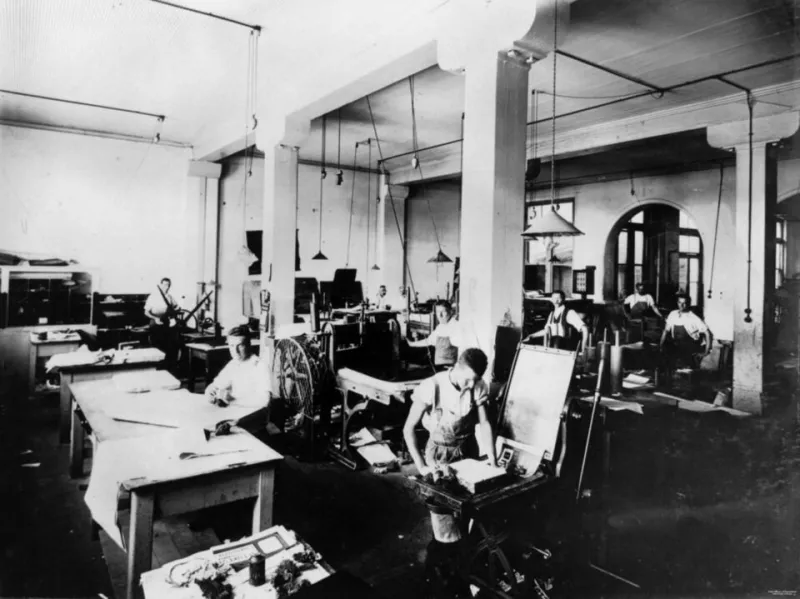
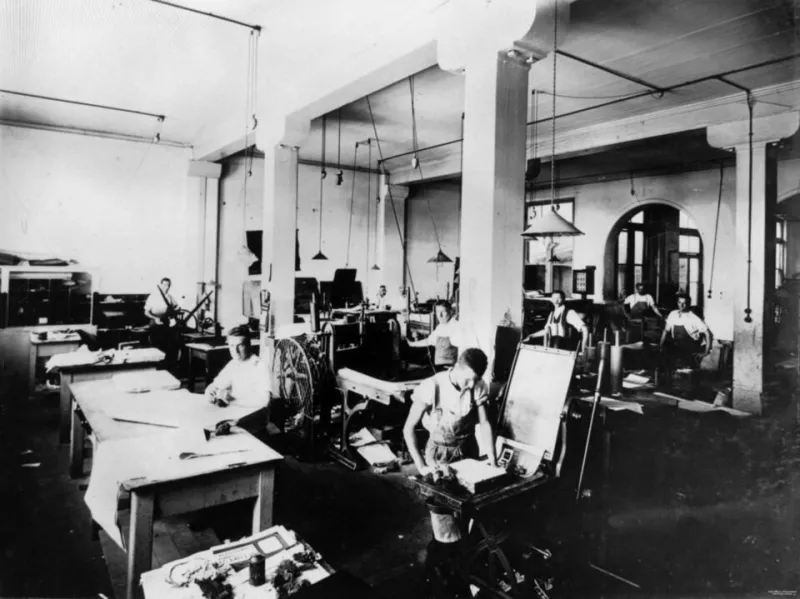
Photo: Unknown, Public domain, via Wikimedia Commons
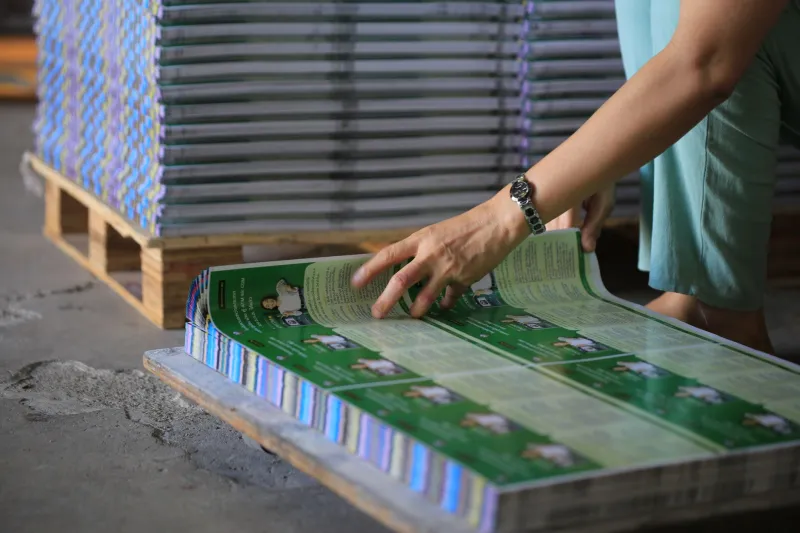
A two-sided litho job can look straightforward on an estimate: one sheet, one paper specification, one delivery date. In production, it is rarely one event. The first side is printed, the sheet is left to settle, and then the pile is turned for a second pass through the press. That second pass has its own plates, make-ready, ink behaviour, registration checks and waste. Understanding it as a separate production stage is the first step towards pricing it honestly.
The second pass is a second job
When a buyer asks for a price on a brochure, a folder or a product sheet printed both sides, the quotation may present a single figure. The figure is real, but it is an aggregate. It contains two plate sets, two make-readies, two periods of press time and two opportunities for spoilage. The paper is shared; the economics are not.
This matters most when the two sides are unequal. A job with a light text page on one side and a full-bleed photographic image on the other is not symmetrical in production. The heavy side demands more ink, more careful drying and often more attention to set-off. The light side may run faster, but it still needs its own registration and colour approval. The back-up is not a formality appended to the first side. It is the point at which the sheet has to behave consistently after it has already been through the press once.
Where the money goes: ink, time and tolerance
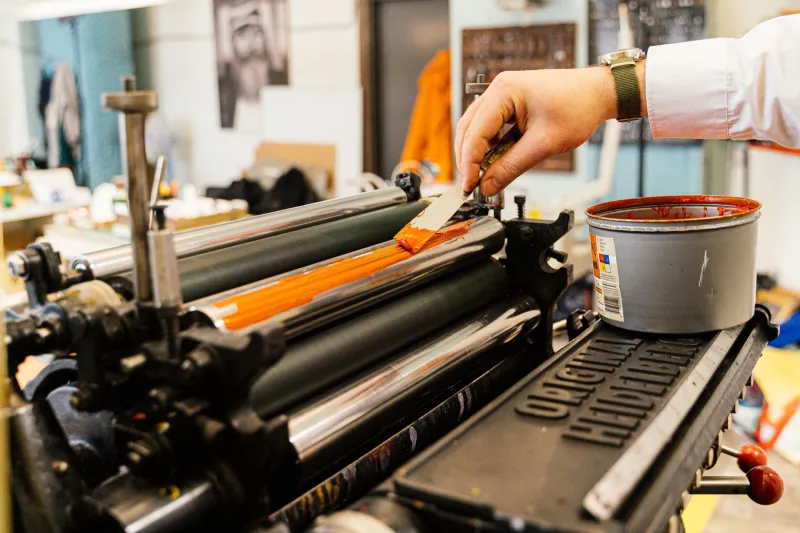
Ink coverage is the most visible cost driver. Heavy solids, dense images and large areas of dark colour increase ink consumption, but they also affect how the sheet can be handled. A first side with a strong ink film may need more drying time before it can be turned, or it may need spray powder and careful pile management to prevent marking. If both sides carry heavy coverage, the press schedule has to allow for that. The job cannot simply be run through twice at the same speed and with the same waste allowance.
Time is the second driver. A second pass requires a further make-ready: plates mounted, ink ducts set, registration brought into line, colour checked and approved. On a long run, that make-ready is spread across many sheets and becomes a smaller proportion of the unit price. On a short run, it is a significant part of the cost. This is one reason a two-sided litho job can compare awkwardly with a digital alternative at low quantities. The comparison is not just ink on paper; it is the overhead of setting the press twice.
Tolerance is the third. Registration between the front and back does not always need to be exact. If the reverse carries only text or a loose tint, a small variation may be invisible in the finished piece. If the reverse has to align with a fold, a die-cut, a window or a cross-over image, the tolerance tightens. Tight tolerance costs time and increases spoilage because more sheets fall outside the acceptable range. The buyer does not need to specify a numerical tolerance on every job, but the artwork should make clear where front-to-back alignment genuinely matters and where it does not.
Drying is a scheduling constraint, not a footnote
Litho inks do not dry instantly in the way many buyers imagine. Oxidative and absorption drying take time, and the condition of the paper affects how quickly the sheet stabilises. A pile printed on one side and turned too soon can mark, set off or curl. A pile left too long can also cause problems if the paper takes up or loses moisture unevenly. The back-up is therefore a scheduling question as much as a printing one.
In practice, the press planner has to decide when the first side can be turned, how the piles are stacked, whether interleaving or spray powder is needed, and how much time to allow before finishing. A job that is rushed from first pass to second pass may save a day in the schedule but lose that saving in extra spoilage and hand-checking. A job that is given a sensible drying window may look slower on paper but cost less in the end.
Paper conditioning belongs here too. A sheet that has been stored cold or damp may need time to acclimatise before printing. If it is printed on one side and then turned while still unsettled, registration and flatness can suffer. The back-up exposes any weakness in paper handling that the first side might have concealed.
Spoilage on the reverse
Every litho run carries a spoilage allowance, but the back-up often needs its own view of waste. Sheets may be lost at the start of the second pass while registration is being brought in. Further sheets may be lost to marking, set-off or curl after the second side is printed. If the job is being folded or cut, the combined print on both sides has to remain within tolerance, so some sheets that would have passed after the first side will fail after the second.
This does not mean every back-up job needs a large waste allowance. It means the allowance should reflect the job. A light, single-colour reverse on a coated stock is a different proposition from a heavy four-colour reverse that must register to a fold. The buyer who asks for a realistic spoilage figure, rather than assuming a standard percentage, is better placed to compare quotes and to understand why one supplier’s price is lower than another’s.
What buyers can do before the plates go on
Most of the cost of a back-up is set before the press runs. Artwork decisions have a direct effect. If the design can keep critical front-to-back alignment away from folds and trims, registration pressure falls. If one side can carry a lighter ink coverage, drying and set-off risk reduce. If the reverse can use a common bleed and generous backing margins, the press has more room to hold the sheet without clipping important content.
It also helps to say what the finished piece has to do. A leaflet that will be folded needs different registration priorities from a poster that will be trimmed. A booklet cover that will be laminated may tolerate a different surface than an uncoated insert. These are not technical details for the printer alone; they are brief-level decisions that shape the second pass.
Finally, allow the schedule to acknowledge the turn. A production plan that treats the back-up as a short appendage to the first side is likely to be either optimistic or expensive. A plan that gives the second pass its own make-ready, drying window and waste allowance is more likely to deliver on time without surprise costs.
The honest arithmetic
The back-up is not a hidden charge. It is a visible production stage that is sometimes priced as though it were invisible. The practical response is to ask for the second pass to be planned explicitly: how the sides will be sequenced, how long the sheet will rest, how tight the front-to-back registration needs to be, and what waste allowance the job justifies. Those answers make the estimate more comparable and the schedule more credible. Turning the sheet is a simple physical action; planning it properly is what keeps the job economical.